
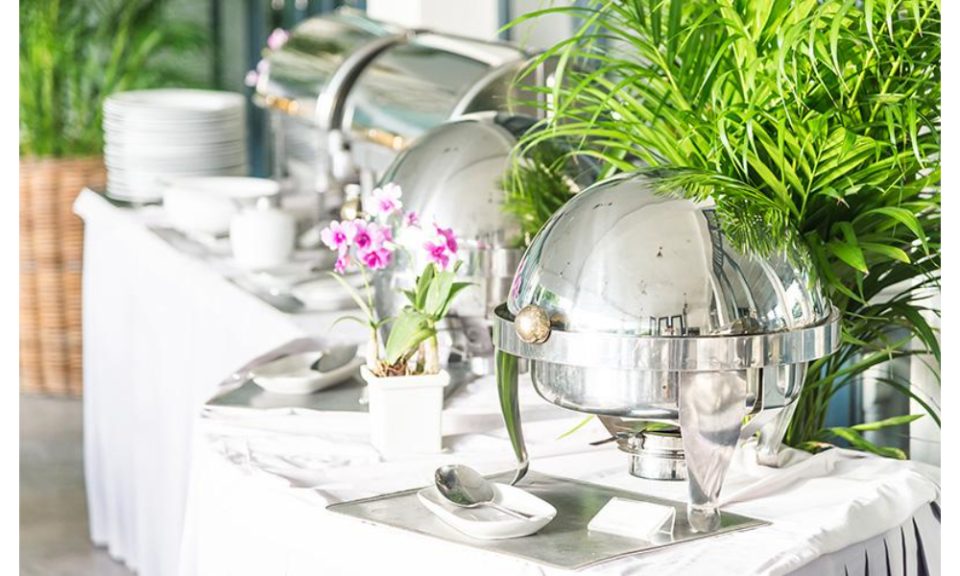
The roots of halal catering in Singapore stretch back to the close-knit kampong communities where food preparation was a communal effort. Events such as weddings, religious celebrations, and community gatherings were powered by neighbourhood cooks working together to produce traditional dishes. Preparation would begin days in advance, with families contributing ingredients, labour, and expertise. Without the convenience of modern equipment, these kitchens relied on open fires, heavy-duty cooking pots, and time-honoured recipes handed down through generations. The spirit of community and the commitment to halal practices formed the early foundation of what would eventually become a sophisticated industry.
Early Signs of Professionalisation
As Singapore progressed into a modern city-state, the demand for larger, more organised food services grew. Informal community-based preparation slowly gave way to the first generation of professional halal caterers. These pioneers formalised what had previously been casual arrangements, introducing structured menus, equipment upgrades, and clearer service timelines. They adapted traditional recipes for bigger crowds without losing their authenticity. Maintaining halal integrity remained essential, with early caterers establishing clear supply chains to ensure all food preparation adhered to religious requirements. This period marked the start of halal catering as a distinct, trusted service in the market.
Growth of Catering Service Networks
During the 1980s and 1990s, Singapore’s rapid economic development fuelled a sharp increase in demand for event catering. Corporate functions, weddings, and religious festivals required caterers who could deliver consistent quality at scale. Halal catering businesses expanded in response, investing in larger kitchens, trained staff, and specialised logistics systems. Catering service companies started offering packages that included full-service options such as venue setup, table service, and customised menus. By meeting the growing expectations of diverse clients, halal caterers secured their place as essential players in the local event planning industry.
Diversification of Halal Menus and Services
The turn of the millennium brought about a new era where halal catering began expanding beyond traditional Malay and Indian cuisines. Global influences became increasingly visible, with Mediterranean, Japanese, and Western menus adapted to meet halal standards. Caterers diversified their offerings, incorporating live cooking stations, fusion menus, and elegant dessert tables. This evolution reflected Singapore’s multicultural society and changing consumer preferences. The ability to offer an international dining experience while maintaining strict halal compliance widened the appeal of halal catering services to include a broader clientele across multiple cultural backgrounds.
Advancements in Technology and Food Safety
Modern halal catering kitchens in Singapore operate with the support of advanced technology. Central kitchens are equipped with commercial-grade ovens, blast chillers, and precision preparation stations. Temperature control, hygiene standards, and inventory tracking are now managed with the help of digital systems, ensuring food safety at every step. These technological improvements allow caterers to maintain consistency across large volumes without compromising the taste and presentation of dishes. Meeting these stringent standards has elevated the reputation of halal catering, aligning it with the best practices expected in the global hospitality sector.
Learn More: Home Party Catering Made Easy: How to Impress Your Guests
Halal Catering in the Luxury Event Space
Today, halal catering is no longer confined to simple setups or casual functions. It has expanded into high-end events, including rooftop soirées, black-tie dinners, and luxury weddings. Caterers now collaborate with event planners and venue managers to create bespoke experiences, from five-course plated dinners to thematic buffets. Presentation standards have risen, with food styling, customised table settings, and décor playing vital roles. Offering halal-certified gourmet menus at prestigious venues has positioned halal caterers as competitive players in Singapore’s thriving luxury event scene.
Meeting the Demand for Corporate and Government Events
The corporate world and government sectors frequently require catering services that meet halal standards to accommodate diverse workforces and guests. Catering services in Singapore specialising in halal food have successfully tapped into this segment by offering scalable solutions, from business luncheons to national day receptions. Professionalism, punctuality, and flexibility have become key attributes that distinguish top halal caterers from their competitors. The ability to deliver consistent, high-quality food while respecting religious considerations remains a vital factor for winning contracts and maintaining long-term partnerships.
Rising Consumer Awareness and Ethical Sourcing
Modern consumers are increasingly attentive to food sourcing, sustainability, and ethical practices. Halal caterers have responded by highlighting responsible sourcing of ingredients, transparent halal certification processes, and eco-friendly operations. Many have adopted farm-to-table concepts where possible, ensuring freshness while supporting local agriculture. This move towards ethical catering practices aligns halal providers with broader global movements in food responsibility, enhancing their appeal to environmentally and socially conscious clients.
For more information about halal food and catering service, contact Elsie’s Kitchen today.
