
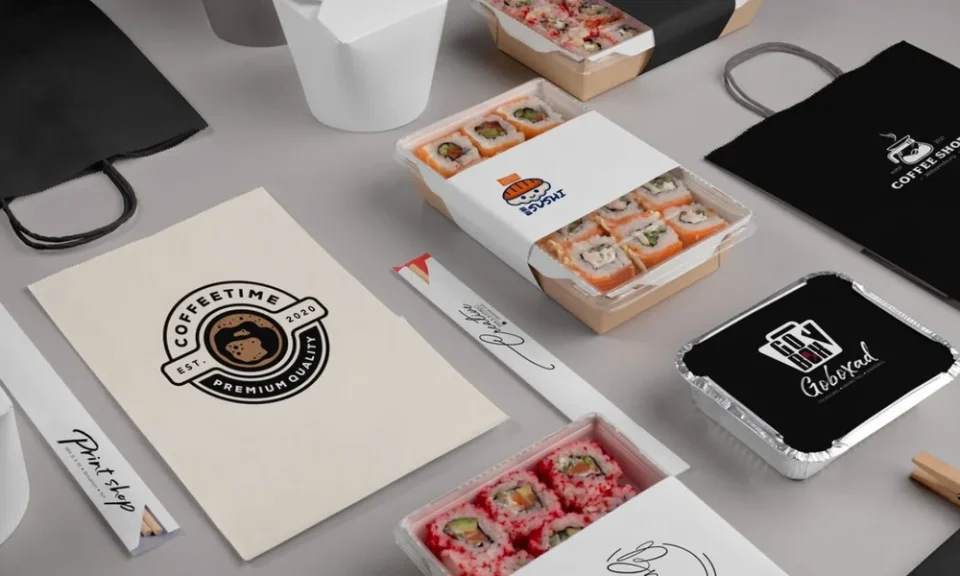
When you sit down in a restaurant, the tangible world around you, the menu in your hands, the tent cards on the table, the vibrant posters catching your eye from the window, often shapes your opinion before the first bite. Custom print products, often overlooked in an era obsessed with digital marketing, remain a secret weapon behind some of the most memorable restaurant brands.
The Role of Custom Print Products in Restaurant Branding
Custom print materials are more than just functional items. They tell a restaurant’s story, create atmosphere, and serve as constant visual reminders of a brand’s personality. Whether it’s a quirky illustrated menu or a sleek business card, these elements can define a customer’s perception and loyalty.
Defining Custom Print Products: Scope and Variety
Custom print products cover an astonishing range of formats: business cards, menus, table tents, window graphics, banners, fridge magnets, stickers, and more. Each piece can be tailored in design, material, size, and finish to suit a restaurant’s unique vibe or marketing goal.
Why Physical Branding Materials Matter in a Digital Age
While online presence is vital, diners engage with physical branding on-site. Print products create a multisensory experience, making the brand concrete and memorable. They can also reach customers who may never interact online but become fans through a clever table tent or a take-home magnet.
Comparing Traditional Print Materials and Custom Options
Standard Print Products vs. Tailored Designs
Traditional print materials, like generic menus or plain flyers, lack personality. Custom options give restaurants creative control, letting them align every napkin, menu, or sign with their core identity.
Cost Implications and ROI Considerations
Is custom always more expensive? Not necessarily. While custom designs may have higher upfront costs, the long-term value in brand recall and customer loyalty often delivers a stronger return than mass-produced, forgettable materials.
Impact on Brand Recognition and Customer Recall
Unique print collateral, such as a card embossed with a logo or a table tent with a signature color, increases the odds a customer will remember your venue and recommend it to others. Small design details can turn a simple print piece into a conversation starter.
Key Custom Print Products for Restaurants and Their Branding Effects
Business Cards: First Impressions and Networking
A thoughtfully designed business card does more than share contact details. It’s a handshake in print, setting the tone for partnerships, supplier meetings, or special event bookings.
Menus and Table Tents: Enhancing the Dining Experience
Menus are at the heart of a restaurant’s identity. Custom layouts, fonts, and graphics make them as enticing as the dishes themselves. Table tents can spotlight specials or events, guiding customer choices subtly and effectively.
Window Graphics and Banners: Attracting Foot Traffic
Eye-catching window graphics and banners transform passersby into patrons. These large-format prints shout a restaurant’s personality to the street, communicate promotions, or highlight accolades.
Fridge Magnets and Stickers: Extending Brand Presence Beyond the Venue
Send your brand home with every customer. Magnets and stickers keep your restaurant top of mind, encourage repeat orders, and generate word-of-mouth marketing with minimal effort.
Case Studies: Success Stories Using Custom Print Products
Small Independent Restaurants: Building Local Loyalty
Neighborhood cafés often rely on distinctive menus and hand-delivered coupons to foster a sense of community and individuality. Consistent, high-quality print branding helps them stand out against larger chains.
Chain Restaurants: Consistency Across Locations
For franchises, custom print ensures every branch feels the same. Unified business cards, menus, and signage help maintain a cohesive brand, no matter how many locations open.
Pop-Up and Seasonal Dining: Flexibility and Brand Agility
Limited-time venues need fast, flexible print solutions that can adapt to changing menus or seasonal themes. Custom print products allow quick pivots without sacrificing branding.
Comparing In-House Printing Versus Professional Print Shops
| Feature | In-House Printing | Professional Print Shop |
|————————|————————–|———————————-|
| Material Quality | Basic office-grade | Premium, diverse materials |
| Customization Level | Limited | Extensive |
| Turnaround Time | Immediate | Fast, with large batches |
| Volume Discounts | Rare | Common |
| Quality Assurance | Variable | Guaranteed by experts |
Professional services like Doculand printing offer a vast range of products and expert oversight, ensuring brand consistency and premium quality that in-house solutions rarely match.
Integrating Custom Print Products with Other Marketing Channels
Print and digital are strongest together. Coordinated menus, business cards, and banners can match your website, social feeds, or email campaigns. Table tents with QR codes can drive social engagement or prompt online reviews, turning diners into digital followers.
Challenges and Limitations of Custom Print Products
Custom print isn’t without pitfalls. Design mistakes or inconsistent materials can erode trust and confuse customers. Sustainability is also a rising concern; eco-friendly inks and recyclable papers are now key considerations for brands aiming to minimize their footprint.
Future Trends in Restaurant Branding and Print Products
Print technology is evolving rapidly. Expect to see more personalized print items and smarter integration with mobile experiences. Even as the digital world grows, physical branding remains a powerful differentiator, giving restaurants a tangible edge in a crowded market.
