
Packing Decisions Happen Before Moving Day
How much space belongings take up in storage is decided largely at home, weeks before anything reaches the unit. Furniture moved fully assembled, boxes packed inconsistently, and items loaded in whatever order they happen to come off the lorry all consume far more floor area than the same belongings prepared deliberately. Since unit size is the single biggest driver of the monthly self-storage price in Singapore, preparation that allows everything to fit into the next size down pays back every month the belongings remain in storage. Three steps make the largest difference.
1. Disassemble, Standardise, and Reduce Before Packing Anything
Bed frames, dining tables, shelving units, and wardrobes take up dramatically less space disassembled than assembled. Removing table legs, taking bed frames apart, and flattening modular shelving turns awkward, space-hungry shapes into flat panels that can stand upright against a wall. Keep all screws and fittings for each item in a labelled bag taped securely to the largest piece of that item, so reassembly doesn’t become a hunt through dozens of boxes months later.
Standardising box sizes matters nearly as much. Boxes of uniform dimensions stack into stable columns with little wasted space, while a mixture of odd sizes leaves gaps and creates unstable piles that can’t safely go very high. Two or three standard sizes, with heavy items in smaller boxes and lighter items in larger ones, is a practical approach.
This is also the right moment to reduce. Long-term storage means paying monthly for everything that goes in, and items that wouldn’t be missed are cheaper to donate, sell, or discard now than to store for a year or more.
2. Protect Items Against Humidity, Pressure, and Dust
Long-term storage in Singapore’s climate calls for more protection than a short move. Wooden furniture should be clean and completely dry before wrapping, and breathable covers such as cotton sheets or furniture blankets are generally preferable to sealing wood tightly in plastic, which can trap moisture against the surface. Upholstered pieces benefit from similar breathable covering.
Mattresses should be stored flat or on their edge in a proper mattress bag, never with heavy items stacked on top, since sustained pressure can permanently deform the filling. Placing items on pallets or a raised platform rather than directly on the floor protects against any moisture at ground level and improves airflow around the bottom layer. Adding moisture absorbers inside the unit is a small expense that helps considerably over long periods, and checking and replacing them during any visit prolongs their effect.
Preparation Checklist Before Moving Day
- Large furniture disassembled, with fittings bagged and taped to each item
- Belongings packed in two or three standard box sizes for stable stacking
- Unwanted items sold, donated, or discarded rather than stored
- Wood and upholstery cleaned, dried, and wrapped in breathable covers
- Pallets or raised platforms arranged to keep items off the floor
- A written loading plan with an access aisle and frequently needed items near the front
3. Plan the Loading Order Around Access and Weight
A self-storage facility in Singapore will provide a unit of fixed dimensions, and how well that space is used depends on the order in which things go in. Heavy, rarely needed items such as disassembled furniture and boxes of books belong at the back and bottom. Lighter boxes stack on top, and items likely to be needed during the storage period go near the front.
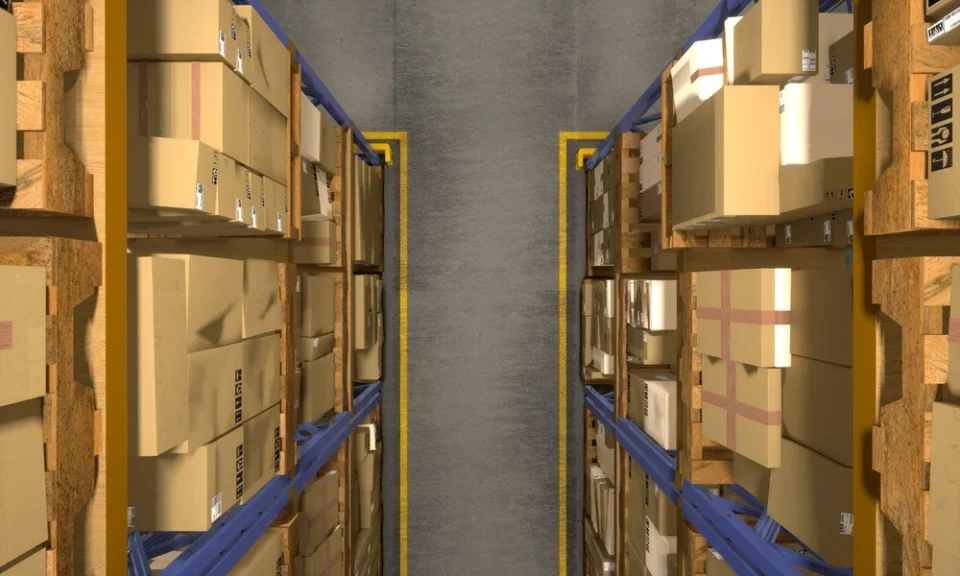
Leaving a narrow aisle from the door toward the back makes it possible to reach anything without unloading the entire unit, which matters more than it seems once a few months have passed and something is suddenly needed. Tall, flat items such as tabletops and bed panels can line the side walls vertically, freeing central floor space for stacked boxes. Labelling every box on at least two sides, with contents and destination room, keeps retrieval quick even when boxes are stacked several high.
How Preparation Translates Into Cost
Belongings prepared this way routinely fit into a noticeably smaller unit than the same items loaded without planning, and across a long-term lease that difference becomes significant. When comparing the self-storage price in Singapore across providers, it’s worth measuring the prepared volume rather than guessing from the size of your home, since accurate sizing avoids paying for empty space month after month. Staff at a self-storage facility in Singapore can often advise on unit selection once they have a realistic estimate of the prepared volume, making the final choice considerably more precise.
Contact SpaceHub to find a unit sized for your prepared belongings and plan a loading layout that protects them through long-term storage.
