
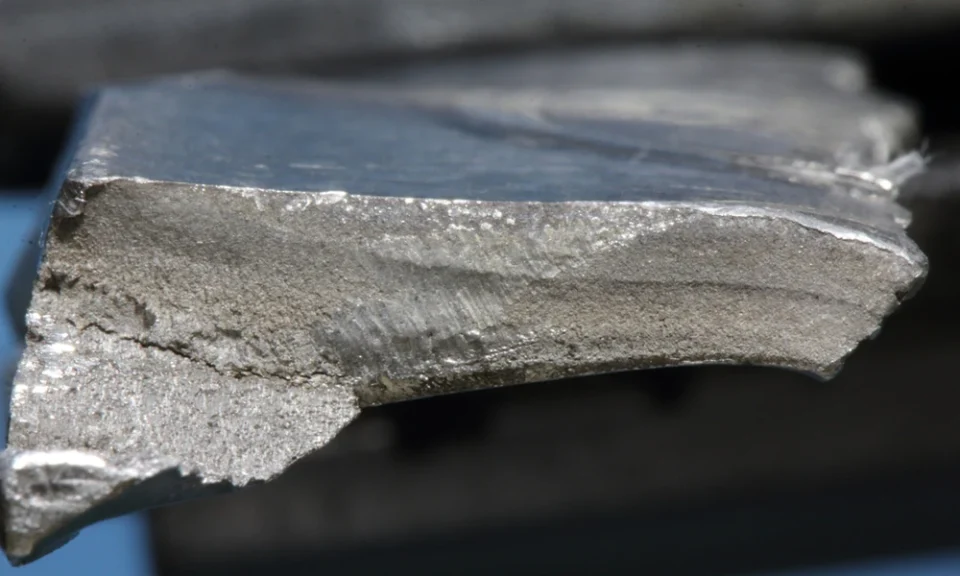
Steel doesn’t usually fail because someone picked the wrong grade. More often it fails because nobody ran a charpy impact test at the temperature the part would actually see in service. A batch of plate can pass every check on the shop floor, machinable, weldable, tensile numbers sitting comfortably within spec, and still snap like glass months later on a platform through a cold winter.
Nothing about the material changed between those two moments. The temperature did.
The problem with testing at room temperature only
Most mechanical properties don’t swing wildly with a shift in temperature. Toughness is different. A steel that absorbs plenty of energy before fracturing at room temperature can lose most of that capacity once it drops below a certain threshold, and that threshold varies by grade, by heat treatment, and sometimes by the specific heat of steel that came off the mill that week.
This matters most for anything sitting outdoors through a real winter or operating at low temperature by design. Structural steel, pressure equipment, and pipeline components all carry this risk, since a material that behaves safely at room temperature offers no guarantee about how it behaves once service conditions turn cold.
How a pendulum measures toughness
The test itself is mechanically simple. A notched specimen sits supported at both ends, and a pendulum swings down to strike it directly opposite the notch, fracturing the sample in a single blow. The V-shaped notch geometry is deliberate. It concentrates stress at one point so the fracture behavior at that location can be measured consistently across specimens.
What gets measured is the energy the pendulum loses in the process. The pendulum starts at a known height, corresponding to a known amount of potential energy, and swings through the specimen to a lower height on the other side. That difference in height, converted into energy, is roughly how much the specimen absorbed while it fractured. Higher absorbed energy generally means tougher material.
Ductile behaviour versus brittle failure
Absorbed energy is only one piece of the picture. Inspectors also look at the percentage of shear on the fracture surface and the lateral expansion of the specimen, since both point toward how ductile the failure actually was. A higher shear percentage and more lateral expansion both suggest ductile behavior, which is the safer outcome. A low shear reading paired with minimal expansion points toward brittle fracture instead.
Results typically come from testing three or five specimens at the same temperature rather than relying on a single sample, since individual pieces of the same steel can behave slightly differently even from one bar to the next.
| Factor | Charpy Impact Test | Izod Impact Test |
|---|---|---|
| Specimen orientation | Horizontal, supported at both ends | Vertical, cantilevered from one end |
| Strike location | Opposite the notch | Same side as the notch |
| Common standards | ASTM E23, ISO 148-1 | ASTM E23, ISO 180 |
| Typical materials | Metals, especially steel | Metals and plastics |
Charpy against Izod, and why one dominates for metals
Both tests measure impact toughness, but the setup differs enough that they aren’t interchangeable. Charpy loads the specimen horizontally and strikes it on the side away from the notch. Izod holds the specimen vertically instead, fixed at one end, and strikes the same side the notch faces.
For metals, and steel in particular, Charpy is the dominant choice. It’s specified across most structural steel, pressure vessel, and pipeline codes, largely because decades of accumulated data make its results easier to compare against established acceptance criteria. Izod sees more use with plastics and polymer-based materials, where its setup happens to suit the way those materials tend to fracture.
