
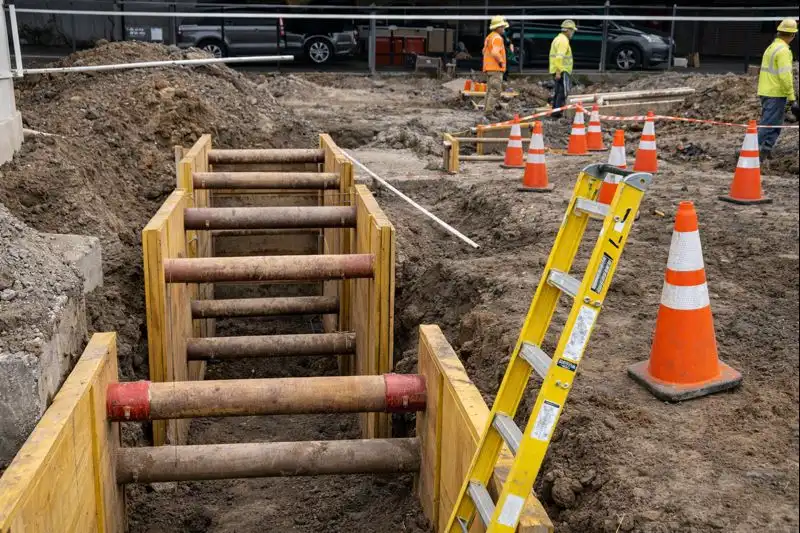
Chaos can unfold in seconds when a construction site neglects the importance of temporary shoring. History has shown that even the most advanced projects can face disaster if the foundations of safety and support are ignored. Whether elevating a multi-storey building or spanning a river with a new bridge, temporary shoring engineering acts as the silent sentinel, protecting workers, the public, and the investment itself.
The Critical Role of Temporary Shoring in Construction Safety
Temporary shoring is the backbone of structural stability during the most vulnerable stages of construction. Its purpose is simple but critical: to provide support to partially completed or unstable structures until the permanent elements can hold their own. Without it, gravity and time become adversaries.
Understanding Temporary Shoring: Definition and Purpose
At its core, temporary shoring involves engineered systems, beams, frames, jacks, and braces, designed to prevent unexpected collapses. These supports are not improvised but carefully calculated and tailored for each project’s unique needs. They hold up floors, walls, or entire bridges during construction, demolition, or renovation.
Risks of Inadequate Shoring: Lessons from Past Failures
The cost of neglecting proper shoring is steep. Past incidents, such as the partial collapses during urban high-rise construction in major cities, reveal tragic outcomes: injuries, project shutdowns, financial losses, and reputational damage. These failures often trace back to makeshift supports or engineering shortcuts, reminding us that even a momentary lapse in judgment can have permanent consequences.
Engineering Challenges Behind Temporary Shoring Design
Designing temporary shoring is far from routine. Every site presents a puzzle with shifting pieces, changing loads, environmental pressures, and logistical constraints.
Balancing Structural Integrity and Construction Constraints
Engineers must maintain structural stability while accommodating tight timelines, crowded sites, and ever-present safety standards. They calculate not just the weight a structure must bear, but how loads will shift as construction proceeds, factoring in everything from wind to heavy equipment.
Material Selection and Equipment Integration: Expertise in Action
Selecting the right materials and integrating the best equipment is an art backed by science. High-strength steel might be ideal for one phase, while adjustable aluminum frames are better for another. It’s not enough to know the theory; mastering practical integration demands hands-on experience and close collaboration with equipment suppliers.
The Creativity and Experience Factors That Go Beyond Theory
No two construction sites are identical. A seasoned shoring engineer draws on years of experience and a dose of creativity to devise solutions when textbook answers fall short. Whether reconfiguring support in response to unexpected site conditions or inventing a hybrid system on the fly, creative problem solving becomes mission critical.
Case Study: Multi-Storey Building Shoring Success
Success in temporary shoring is best measured in quiet, uneventful days, when the site remains stable and workers return home safely.
Project Overview and Initial Site Conditions
A recent multi-storey project began with a tight urban footprint and existing neighboring structures. The risk of movement in adjacent buildings heightened the stakes.
Engineering Assessment and Innovative Shoring Solutions
Engineers performed a meticulous analysis of load paths and soil conditions, then designed a layered shoring system that integrated seamlessly with the building sequence. By introducing modular components, they allowed the support system to evolve as floors rose.
Execution, Monitoring, and Adjustments on Site
Continuous monitoring identified minor shifts early, prompting timely adjustments. The team responded dynamically, reconfiguring supports around critical lift operations and adjusting to weather challenges without delay.
Outcome: Safety Achievements and Contractor Benefits
The result? Zero safety incidents, on-time completion, and significant cost savings from avoiding damage and delays. Contractors not only met their deadlines but gained peace of mind.
Case Study: Bridge and Viaduct Temporary Support
Bridges present a different set of challenges, with massive spans and environmental forces at play.
Unique Structural and Environmental Challenges
Spanning rivers and highways exposes temporary supports to vibration, shifting loads, and weather extremes. The stakes are high; any failure mid-construction could disrupt transportation for thousands.
Tailored Engineering Methods for Load Distribution
Expert teams devised shoring solutions that distributed massive loads over wide areas, combining ground-based and elevated support systems. Adaptation to irregular terrain and fluctuating water levels added complexity.
Collaboration with Construction Teams and Equipment Supply
Success hinged on close coordination with contractors and timely delivery of specialized shoring equipment. Suppliers and engineers worked hand in hand, ensuring each component arrived exactly when needed.
Resulting Structural Stability and Project Continuity
The finished bridge stood resilient throughout its build, with uninterrupted construction progress and full compliance with safety regulations.
The NadeauSDM Work Structure: A Model for Effective Shoring
Behind many successful shoring projects stands a proven process, a methodical yet flexible approach to engineering challenges.
Start-Up: Aligning Client Vision with Engineering Needs
From the outset, understanding both the client’s vision and the technical demands of the site lays the foundation for viable solutions.
Support Phase: Developing Custom Solutions with On-Site Collaboration
By working closely with contractors, engineers can tailor strategies that address real-world constraints, not just theoretical ideals.
Turnkey Solutions: Integrating Design and Equipment Supply
Providers like NadeauSDM shoring engineer exemplify this approach, offering both design expertise and seamless equipment integration for a turnkey experience.
Continuous Follow-Up: Ensuring Quality and Adaptability Through the Project
Regular site visits and ongoing monitoring allow for quick adaptations, ensuring safety and quality never slip as the project evolves.
Economic and Safety Impacts of Professional Temporary Shoring
Engaging expert shoring engineers is not just good practice; it’s a sound investment with measurable returns.
Preventing Costly Delays and Structural Damages
Properly designed shoring prevents catastrophic failures, keeps projects on schedule, and avoids expensive repairs or litigation.
Enhancing Worker Safety and Compliance with Regulations
Meeting and exceeding legal safety standards protects workers and shields contractors from regulatory penalties.
Long-Term Value: Protecting Both Site and Budget
Expert shoring is about more than momentary support. It’s about protecting every aspect of the project, from the workers’ well-being to the bottom line.
Future Trends in Temporary Shoring Engineering
The field is evolving, with technology and innovation driving safer and more efficient solutions.
Advances in Materials and Design Software
New alloys, composite materials, and advanced software allow for lighter, stronger, and more adaptable shoring systems.
Increasing Demand for Hybrid and Modular Shoring Systems
Modular systems that can adapt to changing site conditions are increasingly in demand, reducing waste and improving efficiency.
The Growing Importance of Expert Collaboration in Complex Projects
As projects become more ambitious, collaboration between engineers, suppliers, and contractors will be the key to safe, timely, and successful builds. In construction, temporary shoring engineering is no mere formality, it is the invisible lifeline supporting progress itself.
