
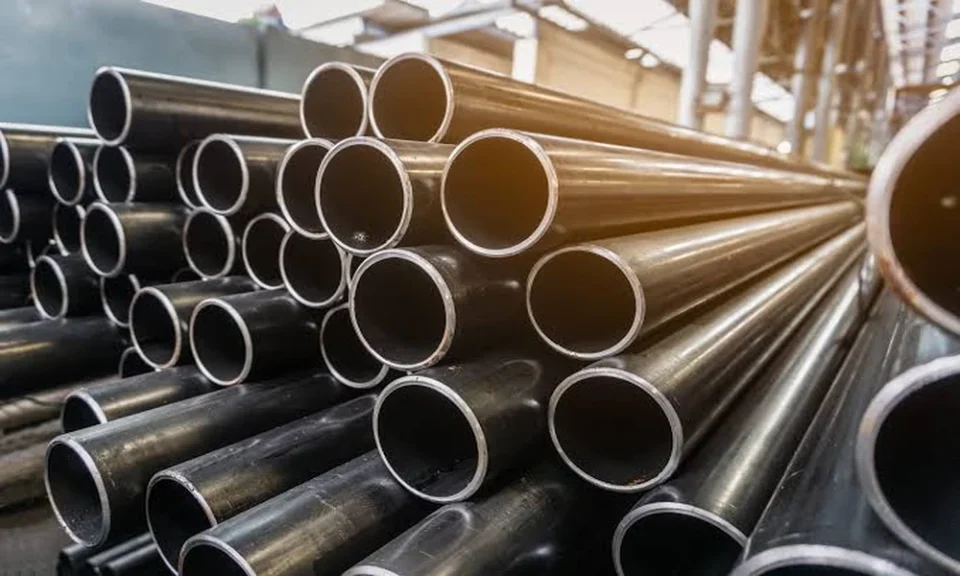
Stainless steel coatings – whether applied through thermal spray, chemical vapour deposition, physical vapour deposition, or electrochemical processes – protect base materials against corrosion, wear, and high-temperature oxidation in applications where the base material alone cannot meet the service environment’s demands. The cost of applying these coatings varies considerably between projects and processes and understanding the factors that determine that cost helps procurement engineers and project managers build accurate budgets, compare quotations meaningfully, and identify where specification choices affect cost without compromising performance.
Coating Process Selection and Its Cost Implications
The most significant single determinant of stainless steel coating cost is the process through which the coating is applied. Each coating technology has a different equipment cost base, consumable consumption rate, deposition efficiency, and labour intensity that collectively determine the process’s cost per square metre of coated surface.
Thermal spray processes – including HVOF, plasma spray, and arc spray – use specialised spray equipment and powder or wire feedstocks whose costs vary by material. HVOF coatings, which produce the densest, highest-quality deposits of the thermal spray family, consume more powder per unit of deposited coating than lower-velocity processes due to their higher particle velocity and the corresponding overspray. Processes that require booth operation with controlled environments for handling reactive materials add facility overheads that are reflected in the coating cost.
Coating Material and Its Effect on Cost
The cost of the coating material itself – the powder, wire, or chemical feedstock being deposited – is a direct component of the total stainless steel coatings project cost and varies enormously between material grades:
- Standard austenitic stainless-steel grades (316L, 304) in powder form for thermal spray represent a moderate material cost that is consistent with general industrial budget expectations
- Superalloy and specialty alloy feedstocks – Hastelloy, Inconel, or high-chromium wear-resistant grades – carry significantly higher material costs that reflect both raw material pricing and the additional processing required to produce these alloys as spray-grade powders
- Hard-facing materials including tungsten carbide composites are among the most expensive thermal spray feedstocks, reflecting both the cost of tungsten as a commodity and the processing requirements for carbide-metal composite powders
Specifying the correct material for the service environment rather than defaulting to a premium material that exceeds the application’s actual requirements is one of the most effective cost management decisions in coating specification.
Component Geometry and Surface Area
The geometry of the component being coated directly affects the cost of surface preparation, masking, spray application, and post-spray finishing. Simple flat or cylindrical surfaces are the most cost-efficient to coat because the spray gun can be traversed in consistent, predictable patterns with minimal repositioning.
Complex geometries – components with re-entrant angles, internal bores, undercuts, or blind areas that create line-of-sight limitations for thermal spray processes – require additional handling time, multiple setups, or specialised spray equipment to achieve adequate coverage. Components with intricate features that must be masked to prevent coating in specific areas add masking material cost and the labour time to apply, inspect, and remove masking after spraying.
Surface Preparation Requirements
The quality of surface preparation before stainless steel coatings application directly determines the adhesion quality of the deposited coating. For thermal spray specifically, grit blasting to achieve a controlled surface roughness profile is the standard preparation method, and the cost of this preparation scales with the surface area being prepared and the abrasive media and equipment required.
Components arriving for coating with heavy contamination, oxide scale, or prior coatings that must be stripped before new coating application incur additional surface preparation costs. The condition and surface cleanliness of incoming components is therefore a direct cost variable that suppliers quote against based on what they receive rather than against a standard assumption.
Coating Thickness and Number of Layers
Thicker coatings require more passes of the spray system, more feedstock consumption, and more time – all of which increase cost proportionally. Applications requiring graded coatings – where composition or porosity changes progressively through the coating thickness – require additional spray passes with different feedstocks and increase complexity accordingly.
Conclusion
The cost of stainless-steel coatings is determined by a combination of process selection, coating material, component geometry, surface preparation requirements, and specified thickness that together define the technical scope of the work. Procurement teams that understand how each factor contributes to cost are better positioned to review quotations critically, identify where specification adjustments can reduce cost without compromising performance, and make accurate budget provisions for coating projects across their component programme. For electronic components manufacturers in india, understanding these cost drivers is especially important when coating precision parts used in industrial, electrical, and electronic applications where durability, corrosion resistance, and consistent performance directly influence product quality and long-term operational reliability.
